

 Climate change is not solely an environmental issue; it also represents a financial challenge for rental property investors. Transforming climate trends, greater occurrences of severe conditions, and longer seasonal stress on buildings are increasing long-term maintenance expenses. The climate impact on rentals nowadays is speeding up wear on roofs, HVAC systems, basements, and outside surfaces, making maintenance related to climate a vital component of protecting your property and planning for the future.
Climate Impact on Rentals & Why Investors Can’t Ignore the Shift
For a long time, rental property maintenance conformed to relatively predictable patterns. This is particularly valid for seasonal maintenance, which can be performed roughly at the same time annually. Right now, these convictions are swiftly shifting along with our climate. Extreme weather and other climate shifts are changing how often rental properties need repairs, how long major systems can last, and how much investors must budget for regular upkeep.
One of the most problematic elements of this scenario is that the climate impact rentals encounter is not confined to a single significant occurrence. It comes about through cumulative stress over time: continually hotter summers, stronger rainfall, stronger storms, and unpredictable chilly winters that gradually but consistently cause increased wear and maintenance costs.
For rental property owners, this refers to:
- Briefer replacement cycles for key structures
- More frequent inspections and preventative repairs
- Greater long-term operating expenses (if strategy remains unaltered)
Sadly, disregarding changing climate trends can slowly lower a portfolio’s profitability as time goes on. For this reason, investors should begin strategizing now to mitigate the impact our changing climate will have on their profits.
Key Climate-Driven Maintenance Challenges
When we focus on how climate and the environment impact rental properties, it becomes visible that our property exteriors will be the initial signs of increasing wear. However, essential structures are likewise subject to climate change trends. Some of the key maintenance challenges that investors should be cautious about include:
- Heavier Rainfall and Flood Risk: Increased rainfall exerts additional tension on rooftops, downspouts, drainage structures, and structural bases. Even properties beyond flood areas can encounter moisture intrusion, which causes mildew, timber decay, and structural concerns that raise maintenance costs.
- Rising Temperatures and Heat Stress: Hotter summers require HVAC systems to work longer and harder. Roofing substances, adhesives, and outer coatings also deteriorate more rapidly with prolonged heat and UV exposure, raising the rate of replacements and repairs.
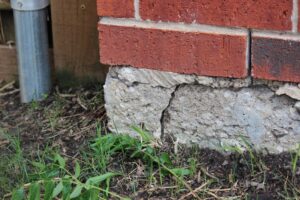
- Colder Extremes and Freeze-Thaw Cycles: In chillier areas, fluctuating weather conditions contribute to repeated freeze-thaw cycles. This results in fractured cement, harmed masonry, and frozen or burst pipes, which can be costly and disruptive.
- Increased Storm Intensity and Wind Damage: Stronger storms present a more serious danger of siding harm, shattered windows, fencing problems, and toppled trees. Even when insurance covers major events, deductibles and non-covered maintenance still affect the financial situation.
As a result of these and other climate-related events, the rising stress of climate change promotes wear and tear and expedites the aging process of building materials. Roofs deteriorate more quickly, exterior coatings fail more rapidly, and mechanical systems come to the end of their usefulness ahead of schedule.
As the years go by, this accelerated wear compounds costs. What formerly required maintenance every 10 to 15 years may now need attention much sooner, contributing to long-term budgeting and investment return estimations.
Real Estate Climate Upkeep Strategies That Protect ROI
In a climate-stressed environment, an adaptable strategy to repair and maintenance turns out to be substantially more costly. Emergency repairs, off-hours work, and tenant relocation all contribute hidden expenses that affect earnings.
Preventive maintenance, on the other hand, encourages predictability. By dealing with minor concerns promptly, property owners can extend and stabilize operating expenses regardless of evolving circumstances.
Indeed, a thoughtful plan for real estate climate maintenance emphasizes robustness and preventative measures. Therefore, savvy investors are continually highlighting the following:
- More frequent inspections of vital zones
- Climate-appropriate materials and upgrades
- Improved drainage, ventilation, and insulation
- Timely repairs to avert unexpected complications
In combination, all of these methods can help control costs and reduce surprise expenses.
Climate Trends Are a Maintenance Reality, Not a Future Problem
The climate-related impact on rental properties has already impacted long-term maintenance costs. Investors who recognize this transition now and strategize appropriately will be better prepared to protect and preserve the value and cash flows of their assets. That’s because climate-aware maintenance isn’t an option; it’s tactical in nature.
At Real Property Management Piedmont, maintenance scheduling reflects current circumstances rather than antiquated ideas. Your local experts in Sandy Springs and nearby would be happy to help. Contact us online today or call 404-480-4820 for more information on how our innovative, climate-aware maintenance methods assist rental property investors in strategizing with security.
This content is provided for general informational and educational purposes only and does not constitute financial, legal, tax, or investment advice. Readers should consult with licensed professionals regarding their specific circumstances.
We are pledged to the letter and spirit of U.S. policy for the achievement of equal housing opportunity throughout the Nation. See Equal Housing Opportunity Statement for more information.
